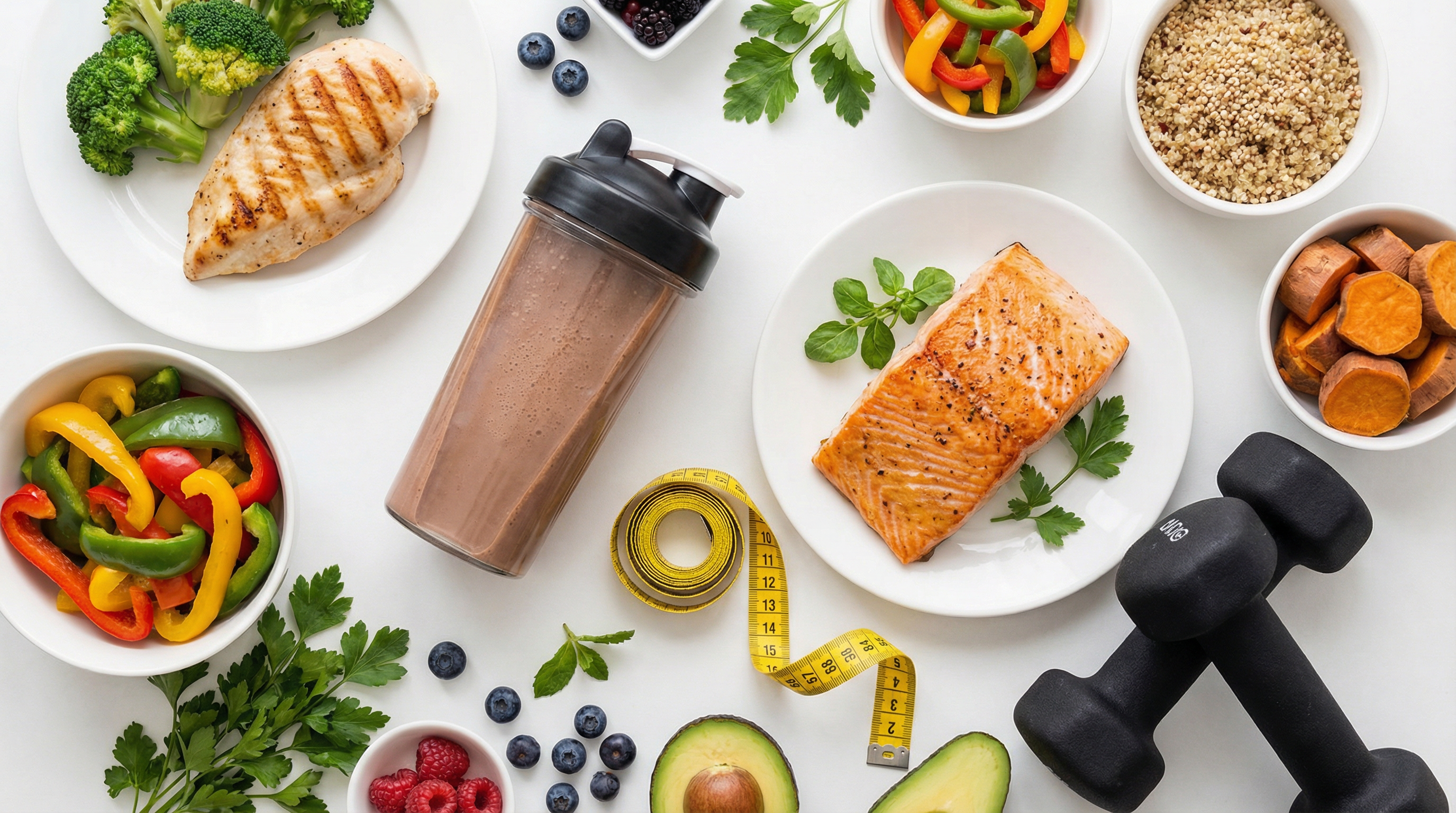
Nutrition for Fitness
Fuel your body for optimal performance, recovery, and growth. Learn how to eat for success and achieve your fitness goals.
Fueling Your Body for Success
Nutrition is just as important as your training when it comes to achieving your fitness goals. The food you eat provides the energy you need to perform your workouts, the building blocks for muscle repair and growth, and the essential nutrients to keep your body functioning optimally. A well-designed nutrition plan can make the difference between mediocre results and outstanding success.
In This Guide, You Will Learn:
Understanding Macronutrients: Protein, Carbs, and Fats
Macronutrients are the nutrients your body needs in large amounts to provide energy and support various bodily functions. The three macronutrients are protein, carbohydrates, and fats.
Protein
Protein is the building block of muscle tissue. When you engage in strength training, you create microscopic tears in your muscle fibers. Protein provides the amino acids necessary to repair this damage and build your muscles back stronger. Aim for 1.6-2.2 grams of protein per kilogram of body weight per day to maximize muscle growth.
Carbohydrates
Carbohydrates are the body's primary source of energy. They are stored in your muscles and liver as glycogen and are used to fuel your workouts. Consuming enough carbohydrates is essential for maintaining performance and preventing fatigue. Complex carbohydrates, such as whole grains, fruits, and vegetables, are the best sources of sustained energy.
Fats
Fats are crucial for hormone production, including testosterone, which plays a key role in muscle growth. They also provide a concentrated source of energy and are essential for the absorption of fat-soluble vitamins. Healthy fat sources include avocados, nuts, seeds, and olive oil.
The Role of Micronutrients: Vitamins and Minerals
Micronutrients are the vitamins and minerals your body needs in smaller amounts but are just as important for overall health and performance. They are involved in a wide range of bodily functions, including energy production, immune function, and muscle contraction. A balanced diet rich in fruits, vegetables, and whole foods is the best way to ensure you are getting all the micronutrients you need.
Nutrient Timing: When to Eat
Nutrient timing refers to the practice of consuming certain nutrients at specific times to maximize their benefits. While the "anabolic window" (the period immediately after a workout) may not be as critical as once thought, there are still benefits to strategic meal timing. Consuming a meal rich in protein and carbohydrates within a few hours of your workout can help to replenish glycogen stores and kick-start the muscle repair process.
Common Fitness Supplements
While a healthy diet should always be your priority, certain supplements can help to fill nutritional gaps and enhance performance. Some of the most common and effective supplements include:
- Protein Powder: A convenient way to increase your daily protein intake.
- Creatine: A well-researched supplement that has been shown to increase strength, power, and muscle mass.
- Caffeine: A stimulant that can improve performance and reduce fatigue.
- Beta-Alanine: An amino acid that can help to buffer the buildup of lactic acid in your muscles, allowing you to train harder for longer.
Ready to Dial in Your Nutrition?
Explore our detailed nutrition plans and supplement guides to create a personalized strategy for success.
Get a Nutrition Consultation